
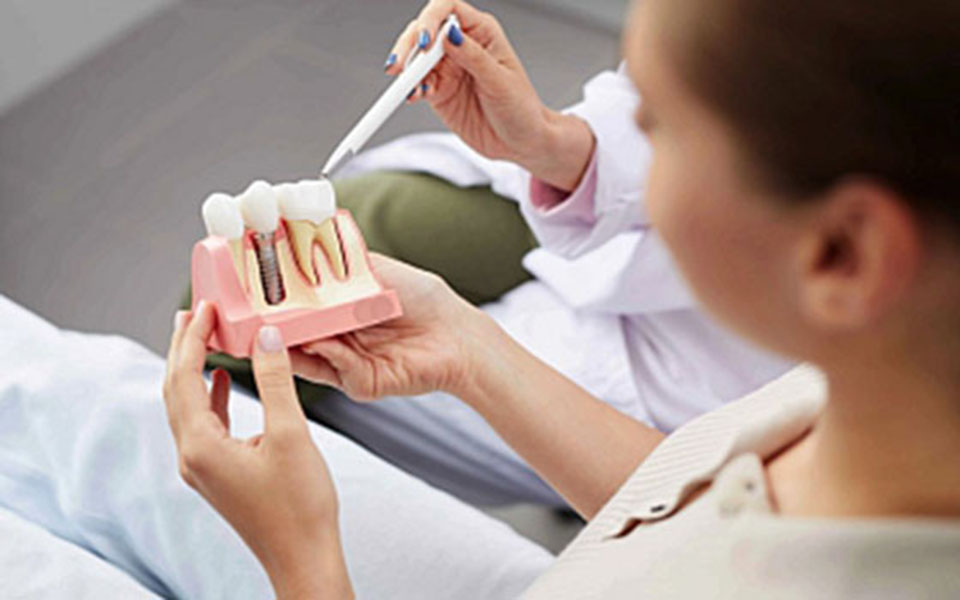
What are the reasons for failure of dental implant treatments? For many patients, it will depend on their bad habits, diet, health and the dentist who placed the implants. The good news is that our Bronze Dental Clinic has an extremely high success rate with modern treatment techniques and you can have dental implant treatments in Turkey with peace of mind.
If you have decided on dental implants or have concerns about the implants you have, there are important points you need to know. This article is just for you.
5 Leading Reasons For Dental Implant Failure!
1) SMOKING
Smoking is terrible for your overall health, but it can cause significant damage to your mouth, especially your teeth and gums. Regular smokers are five times more likely than nonsmokers to develop gum infections or periodontal diseases. This can make the implantation and healing process far more difficult, as your gums need to be in good health to protect the implant.
Smoking after the procedure is a factor that significantly impairs healing and decreases the dental implant success rate. The smoke that is inhaled can damage the gums as they are trying to heal and it can also increase the likelihood of infection.
If you are a smoker and are considering dental implants, it is in your best interest to stop smoking for at least 2 months before implant surgery.
2) BONE ISSUES
Before you can book a dental implant procedure, the dentist will inspect the health of your jaw bone. The dentist will take several x-rays of the jaw where the implant will be inserted. The implant must be inserted into healthy bone.
If it is determined that your bones are not sufficient to support your dental implants, there are options. Commonly, dentists will suggest several types of bone grafting procedures. This involves taking bone (often synthetic or from a tissue bank) which is grafted to the area. This helps to promote new healthy bone growth.
3) STAGING
Dental implant surgery is completed in two to three stages. If a failing tooth or root is present, the first stage is removing the tooth and placing a bone graft. The second stage is the insertion of the titanium implant, and the final stage is the placement of the ceramic tooth (called the crown and abutment).
The staging of the surgeries is also another key factor to dental implant success. Medical studies suggest that when patients are given several months between each stage to let the mouth heal, the dental implant success rate rises significantly.
Not everyone poses the same risk of failure by having dental implant surgery in only one stage. If you do not require bone grafting, a dentist may suggest completing the procedure in one single day with only a follow-up appointment. When you choose an implant provider, be sure he or she evaluates your anatomy to determine a treatment plan that will allow you the best possible and longest-lasting outcome.
4) DIET
We all know that the food we consume impacts our overall health – but you may not realize that it can influence your dental implant success rate so significantly. How you eat after implant surgery plays a role in your implant’s integration as well.
Keeping a healthy, well-balanced diet is also good for your overall health, and will aid in the healing process. After the procedure, avoid eating sugary foods as much as possible, as these can cause dental issues. Some other foods to stay away from include:
- Crunchy food like popcorn
- Tough food like uncooked vegetables or chewy steaks
- Acidic foods like citrus fruits
- Sticky foods such as caramels and gummies
Directly following any stage of the procedure, patients should stick to soft foods which require minimal chewing. Smoothies, applesauce, mashed potatoes, and soups are great options for the first few days after the procedure.
You should also avoid chewing in the area where the implant is inserted for the first few weeks. This will help the jaw and gum heal properly, and diminish the risk of infection from any food particles getting stuck.
5) HYGIENE
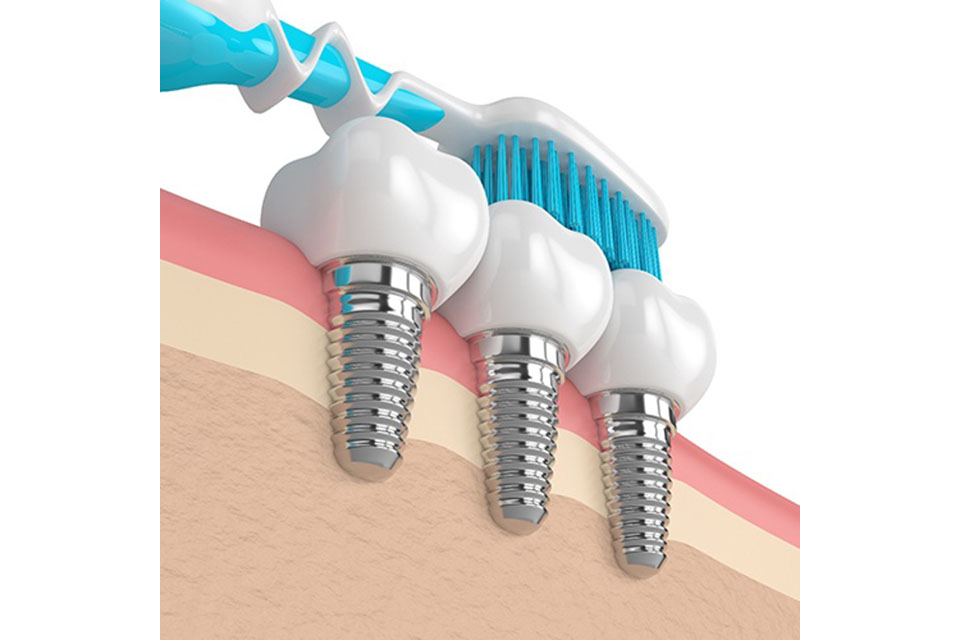
It is important to maintain good oral hygiene as a part of post implant surgery care. Brushing, flossing, and rinsing regularly will help reduce the chances of an infection developing and compromising the integrity of your implant.
You should take extra precautions when cleaning the area around the implant directly after surgery. Brushing too hard could damage the gum, while not brushing well enough could leave food particles behind leading to infection.
Be sure to ask your dentist for advice regarding dental hygiene following your procedure. Your dentist may suggest switching to a softer brush or gentle toothpaste to minimize sensitivity. They can also show you proper brushing techniques so you can keep the area clean.
If you are interested in getting dental implants or if you suspect a failed dental implant, you can talk to our dental specialists at our dental clinic in Turkey and you can also book a dental implant treatment in Antalya, which is affordable.